
When to worry, why it happens and when to speak with a vet
The Quick Version Mate: When should I worry about my dog vomiting?
A dog vomiting once but otherwise acting normally may not be serious. However, you should speak with a veterinarian if your dog has repeated vomiting, seems lethargic, has diarrhoea, shows signs of abdominal pain, cannot keep water down, or may have eaten something unusual or toxic.
If you're unsure, it’s always safest to seek veterinary advice as vomiting can sometimes indicate serious illness and dogs can become unwell and dehydrate quickly.
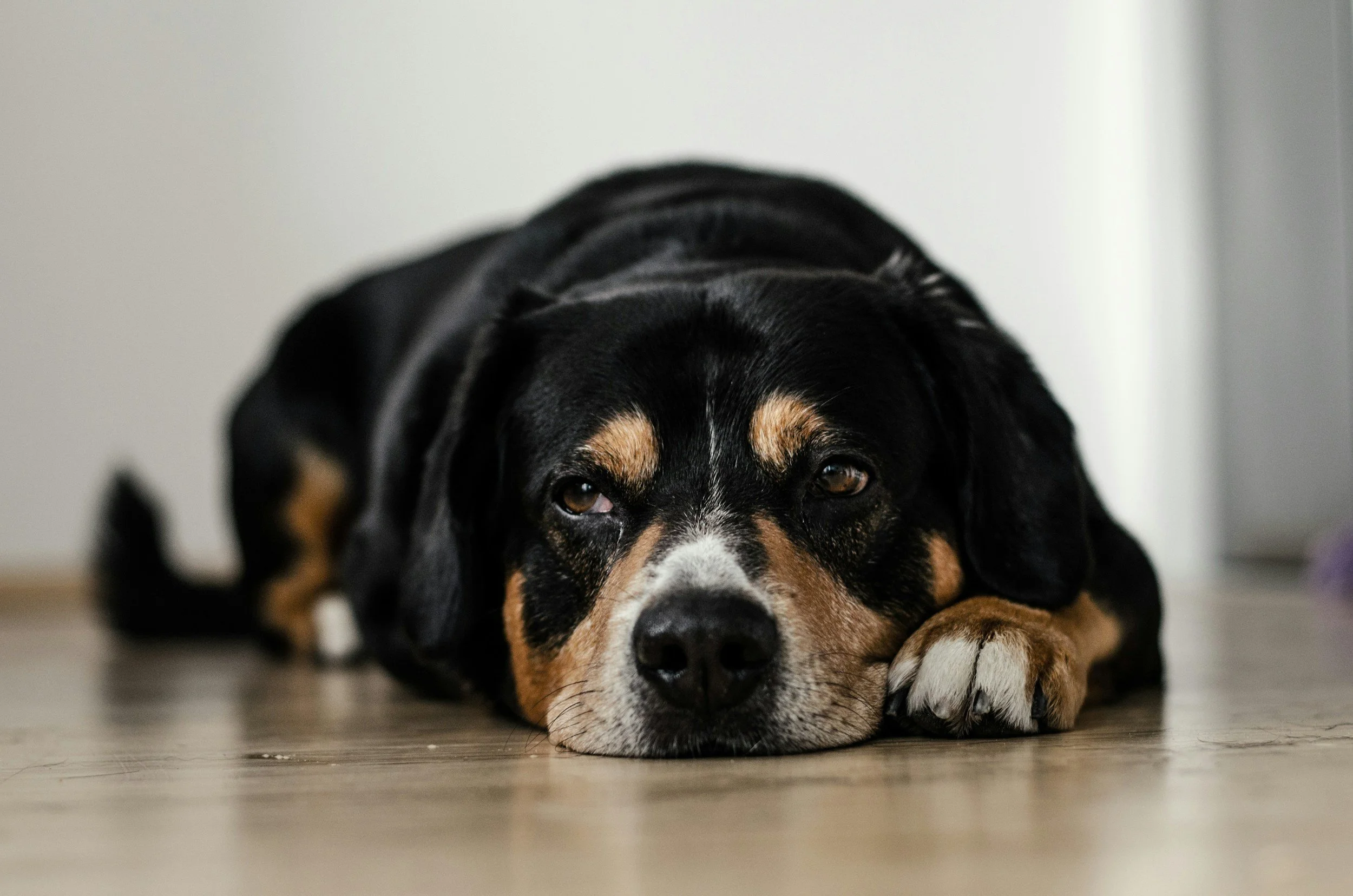
Repeated vomiting in dogs is always a cause for concern.
Vomiting is one of the most common reasons dogs need veterinary care – and one of the most worrying things for pet parents to witness. A one-off vomit, after eating a meal too quickly for example, might not be a big deal. However repeated vomiting, or vomiting alongside other symptoms (see our Red Flags below) can signal something more serious.
This guide breaks down the basics in a simple, easy-to-understand way, explaining why dogs vomit, when it’s safe to monitor at home and when it’s time to check in with a vet.
Why do dogs vomit?
Vomiting happens because your dog is feeling nauseous or unwell. Many dogs will also have less of an appetite or seem a bit “off”.
There are many possible causes of vomiting. Some are mild and self-limiting, meaning they often improve on their own. Others are more serious and require veterinary care.
Common causes in dogs include:
Dietary indiscretion (also known as “I ate something weird in the yard/park/bin”)
Sudden diet changes or eating foods they are not used to
Infections (bacterial, viral, parasitic)
Pancreatitis
Food intolerances or allergies
Foreign objects stuck in the stomach or intestines (such as socks or chewed up toys)
Toxins (chocolate, certain plants, human medications, mould, etc.)
Motion sickness
Kidney or liver disease
Bloat (GDV) — a life-threatening emergency
The tricky part is that vomiting can look very similar whether the cause is mild or serious, so monitoring your dog closely is important. Dogs can also dehydrate quickly when they are vomiting. If vomiting is severe or has repeatedly, some dogs may need hospital care and a drip (IV fluids) to help them recover.
When should I worry?
If your dog vomits once but otherwise seems normal, you may be able to monitor them closely at home. However, you should seek veterinary advice promptly if you notice any of the following red flags.
Red flags to watch for:
Frequent or repeated vomiting
Vomiting with diarrhoea
Lethargy
Shaking, hiding or any changes in behaviour
Signs of abdominal discomfort (restlessness or a tense tummy)
Blood in the vomit
Vomiting after knowing your dog has eaten something unusual e.g. socks, plants, rubbish, BBQ scraps)
Vomiting in young puppies or older dogs
Vomiting water or unable to keep anything down
Common myths about vomiting
‘If my dog is vomiting, it must be good, as he/she is trying to get something out of their system.’
Not necessarily.
While vomiting can sometimes help remove irritants from the stomach, it isn’t always 100% effective. Vomiting is also a common symptom of many other illnesses that aren’t related to the gut at all – in these cases, dogs are generally unwell and nauseous, and vomiting is entirely unhelpful.
‘If my dog is drinking water, they must be OK.’
Not always. Many dogs actually drink more water than usual when they feel nauseous. By the time a dog refuses water or cannot keep it down, they are already feeling quite unwell and usually need emergency care.
‘My dog still wants to eat, so it can’t be serious.’
Unfortunately, appetite is not always a reliable indicator of illness in dogs.
Some dogs will continue to eat even when they are feeling quite unwell. Vomiting can also come and go, which make the problem seem better before it worsens. Repeated vomiting, despite appetite, should always be taken seriously.
‘I’ll just give my dog my human anti-nausea medication to help.’
Please don’t.
Some of the human medications are toxic to dogs, may be given at the wrong dose or may be inappropriate for the underlying problem. Always consult a veterinarian before giving any non-prescribed medication or supplement to your dog.
Not sure what to do next?
If your dog is vomiting and you're unsure whether it's something serious, you're not alone - this is one of the most common concerns pet owners face.
My Vet Mate is here to help you work out what might be going on and whether your dog needs to be seen urgently. A quick chat with a vet can provide peace of mind and help you decide whether it's safe to monitor your dog at home or if they should visit a clinic.
